How to Grow Green Cardamom (Elaichi)
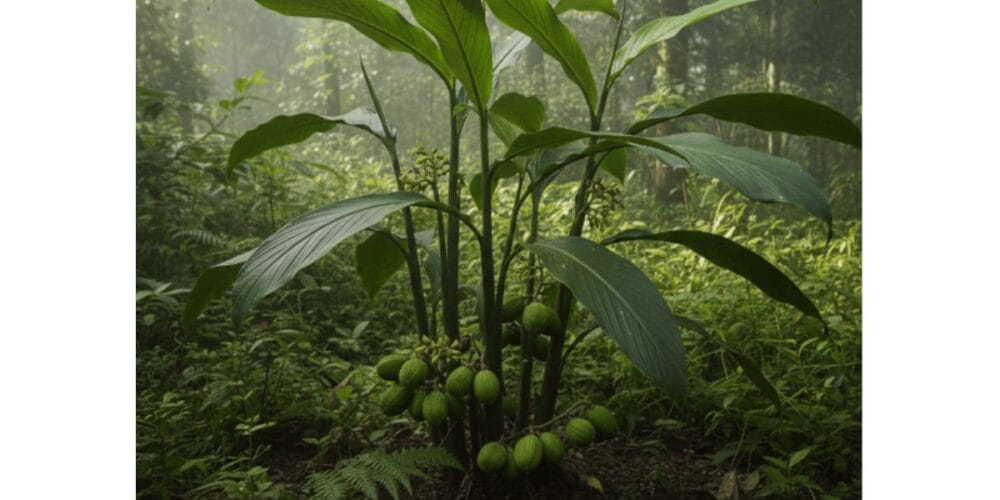
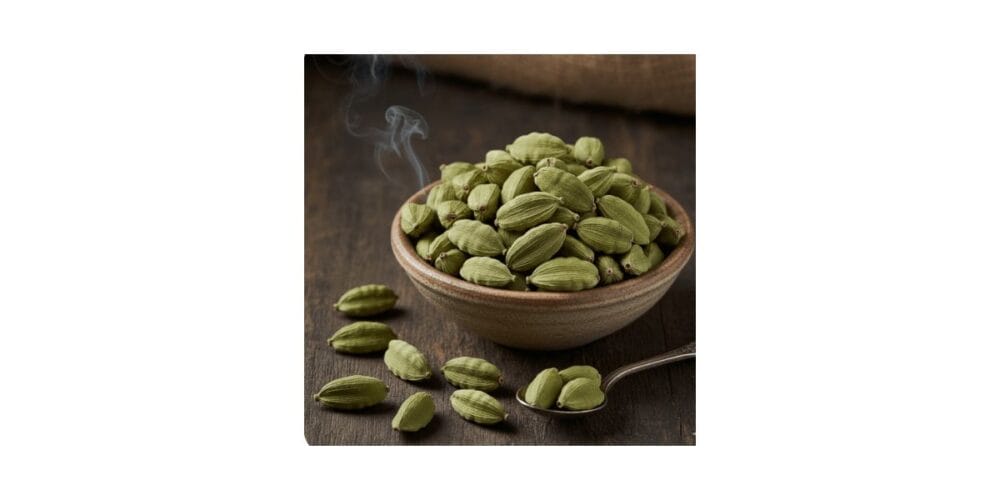
Green Cardamom, popularly known as “Elaichi”, is one of the most valuable and premium spice crops grown in India. Scientifically called Elettaria cardamomum, this aromatic spice belongs to the ginger family and is widely cultivated in tropical regions with warm and humid climates.
With the rising demand for high-quality spices in domestic as well as export markets, Green Cardamom farming has become a profitable venture for farmers—especially in regions with suitable agro-climatic conditions like Odisha and other humid zones.
In this blog, you’ll learn everything from soil requirements to nutrient management for successful cardamom cultivation.
Table of Contents
Ideal Climate for Green Cardamom Cultivation

Green Cardamom thrives best in:


- Temperature: 15°C to 35°C
- Rainfall: 1500 to 4000 mm annually
- Humidity: Above 75%
- Altitude: 600 to 1500 meters above sea level
- Shade: 50% to 60% shade is essential
Being a shade-loving crop, cardamom grows well under natural forest conditions or in plantations with shade trees like jackfruit or silver oak.
Suitable Soil Requirements
To achieve maximum yield and quality capsule formation, Green Cardamom requires:
- Well-drained loamy or laterite soil
- Rich organic matter content
- Soil pH between 5.5 and 6.5
- Good moisture retention capacity
Avoid waterlogged areas as stagnant water can cause root rot and fungal diseases.
Land Preparation
Proper land preparation is essential for better root development:
- Clear the field of weeds and unwanted vegetation.
- Dig pits of size 45cm x 45cm x 30cm.
- Fill pits with:
- Topsoil
- Well-decomposed Farm Yard Manure (FYM)
- Compost or vermicompost
Maintain spacing of 2m x 2m between plants to ensure proper aeration and growth.
Propagation Methods
Green Cardamom can be propagated through:
1. Seeds
- Seeds are collected from ripe and healthy capsules.
- Raise seedlings in a nursery bed for 8–10 months before transplanting.
2. Suckers (Vegetative Method)
- This is the most commonly used method.
- Select disease-free and high-yielding clumps for propagation.
Vegetative propagation ensures uniform growth and early yield compared to seed propagation.
Also Read: How to Grow Black Cardamom: A Complete Cultivation Guide for Farmers
Irrigation Management
Cardamom requires consistent soil moisture:
- Provide irrigation during dry periods.
- Avoid overwatering.
- Drip irrigation is recommended for water efficiency and better root development.
Mulching with dried leaves helps in conserving soil moisture and reducing weed growth.
Nutrient Management
As someone who regularly writes about micronutrients and crop-specific nutrient management, you already know how critical balanced nutrition is for spice crops like cardamom.
Recommended Fertilizer Dose (per hectare):
- Nitrogen (N): 75 kg
- Phosphorus (P): 75 kg
- Potassium (K): 150 kg
Apply fertilizers in two split doses during:
- Pre-monsoon season
- Post-monsoon season
Micronutrient Application:
To improve capsule size and yield:
- Zinc (Zn)
- Boron (B)
- Magnesium (Mg)
Foliar application of chelated micronutrients enhances nutrient uptake and improves plant vigor, flowering, and capsule development.
Weed and Shade Management
- Regular weeding is required during the initial growth stage.
- Maintain optimum shade level (50–60%).
- Prune shade trees annually to allow filtered sunlight.
Proper shade management prevents pest infestation and improves overall productivity.
Pest and Disease Management
Common Pests:
- Thrips
- Shoot and Capsule Borers
- Whiteflies
Use neem-based bio-pesticides or recommended insecticides for control.
Common Diseases:
- Rhizome Rot
- Leaf Blotch
- Capsule Rot
Preventive measures include:
- Proper drainage
- Use of disease-free planting material
- Application of Trichoderma-enriched compost
Flowering and Harvesting
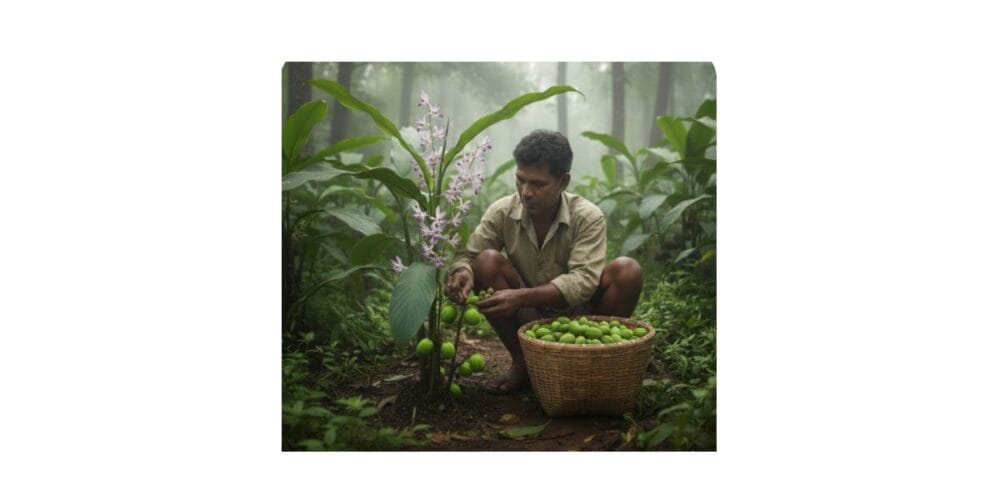
Cardamom plants begin flowering within 2–3 years of planting.
- Harvesting starts 30–40 days after flowering.
- Capsules should be harvested when they are fully mature but still green.
- Picking is usually done at intervals of 15–25 days.
Dry the harvested capsules under shade to maintain their natural green color and aroma.
Also Read: How to Grow Pine Nuts: Complete Guide from Planting to Harvest
Expected Yield
Under good management practices:
- Average Yield: 150 to 250 kg per hectare
- Economic Yield Starts: From 3rd year onwards
- Plantation Life: Up to 10–15 years
Alternate Crops to Consider
If your region has similar climatic conditions, you can also consider:
- Black Pepper
- Turmeric
- Ginger
- Clove
These crops grow well in humid and shaded environments like cardamom.
FAQs on Green Cardamom Cultivation
Q1. Can Green Cardamom be grown in plains?
Yes, but it requires artificial shade and proper irrigation.
Q2. What is the best time for planting?
June to September during the monsoon season.
Q3. How long does cardamom take to produce yield?
Usually 2–3 years after planting.
Also Read: How to Grow Asafoetida (Hing): Complete Cultivation Guide for Farmers and Gardeners
Final Thoughts
Green Cardamom cultivation can be a highly profitable spice farming option when proper soil, shade, irrigation, and nutrient management practices are followed. With the right balance of macro and micronutrients—especially chelated forms—you can significantly enhance capsule quality and yield.
If you’re planning to diversify into high-value spice crops in humid regions like parts of Odisha, Green Cardamom is definitely worth considering for long-term returns.